"General Penitentiary" stands as one of the definitive roots reggae anthems of the late 1970s and early 1980s, serving as a powerful showcase for the legendary vocal trio Black Uhuru and the sonic wizardry of Hopeton Brown, professionally known as The Scientist .
Originally recorded for Sly and Robbie’s iconic Taxi label and later featured on the classic 1979 album Guess Who's Coming to Dinner (also released as Showcase ), the track is a searing critique of institutional oppression, poverty, and the harsh realities of the Jamaican penal system.
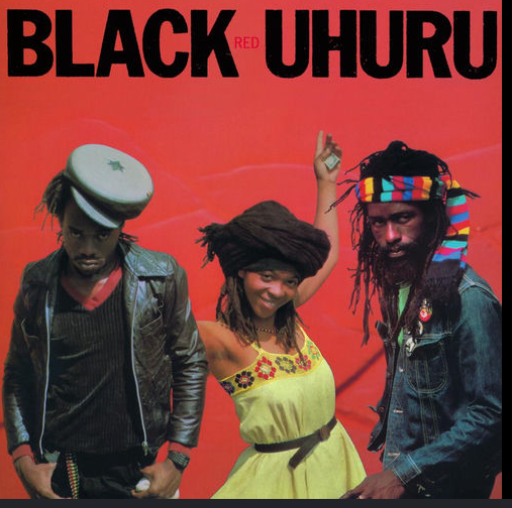
The Vocal Power: The track features the classic Black Uhuru lineup: the distinct, soaring lead vocals of Michael Rose , backed by the tight, haunting harmonies of Derrick "Duckie" Simpson and Sandra "Puma" Jones .
The Riddim Section: Anchored by reggae's premier rhythm twins, Sly Dunbar (drums) and Robbie Shakespeare (bass), the track carries a heavy, driving, relentless groove that perfectly mirrors the inescapable weight of the song's subject matter.
While the standard vocal cut is a masterpiece of storytelling, the track truly enters another dimension when placed in the hands of The Scientist .
Bringing his signature self-taught mastery of electronic design and console acoustics to the mixing board, The Scientist transformed the multi-track tape into a futuristic sonic landscape. Working with high-voltage headroom and a deep understanding of circuit behavior, his mix of "General Penitentiary" maximizes the dynamic impact of the performance.
Spatial Deconstruction: The Scientist strips the rhythm down to its barest essentials—the thundering bassline and snapping snare—before rocketing Michael Rose's vocals into a vast cavern of tape echo and spring reverberation.
Militant Fader Cuts: Utilizing precise, aggressive fader movements, he drops instruments in and out of the arrangement with surgical accuracy. A guitar chop or an organ swell appears for a split second, only to be swallowed by a decaying delay trail.
Laser-Focused Frequency Control: By manipulating parametric equalization on the fly, The Scientist sweeps the frequencies of the percussion and echo returns, creating sweeping, psychedelic textures that turn a stark protest song into an immersive audio journey.
Through this legendary collaboration, Black Uhuru provided the raw, militant heart, while The Scientist delivered the explosive, spatial architecture—cementing "General Penitentiary" as a high-water mark in the evolution of roots reggae and dub engineering.
You can listen to the heavy rhythms and spatial engineering of the track yourself on this